Sustainability at Round Pond Estate
At Round Pond, we believe that truly great wine starts with a healthy, living landscape. Every decision we make — from how we tend our soils to how we package our bottles — reflects a deep respect for this land and a responsibility to care for it well into the future.


A Living Commitment to the Land
Our commitment to sustainability begins in the soil and extends to every part of the estate: vineyards, gardens, winery, packaging, energy, and water. It is a daily practice of stewardship, rooted in the belief that the health of the land and the quality of the wine are inseparable.

In the Vineyards
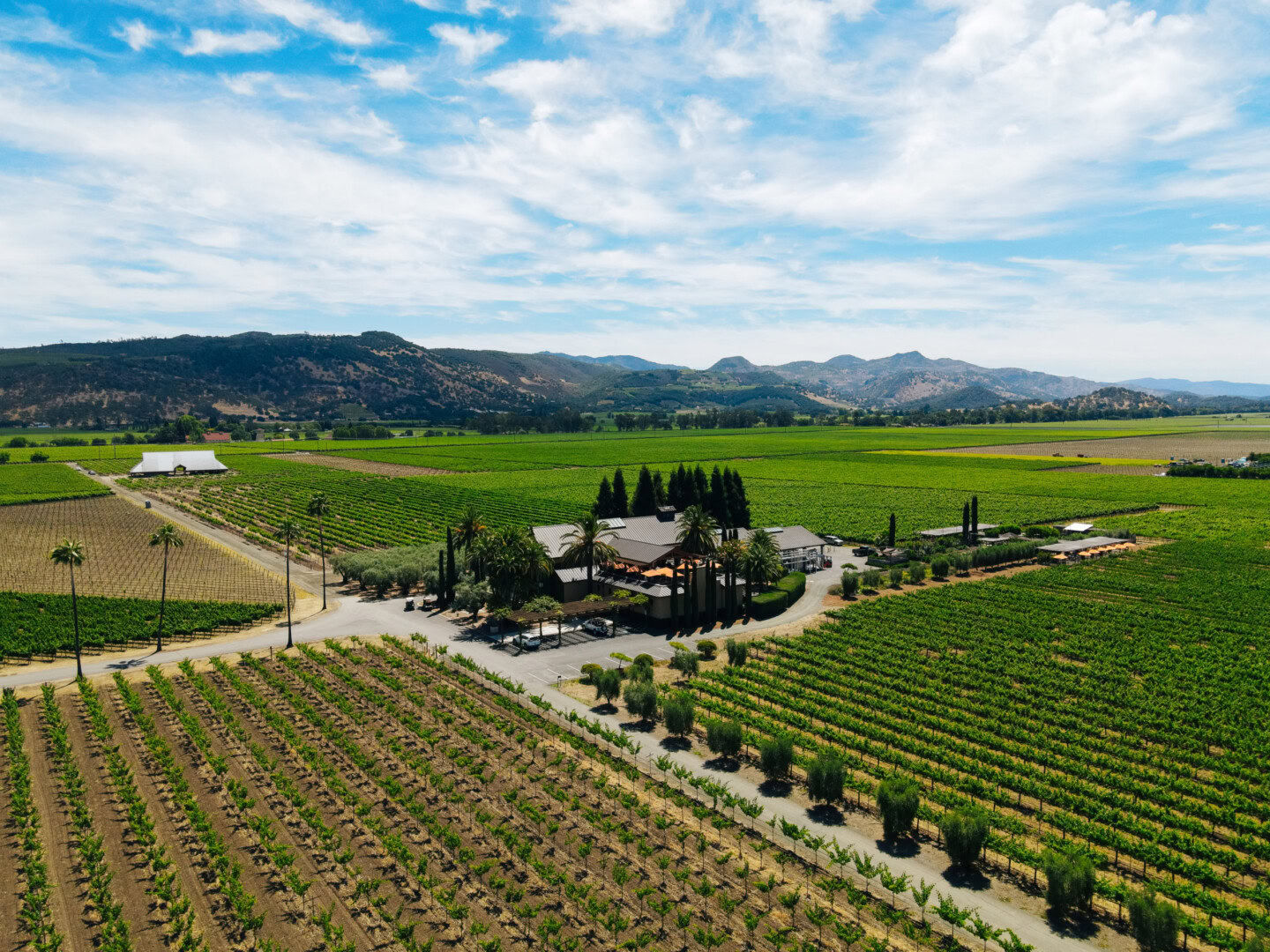
Sustainable wines begin in the vineyard. We practice a low to no-till system to protect the soil structure and have established a permanent cover crop of native grasses that nourish our soils and preserve habitats for native bees and wasps.
Rather than tractors or harsh pesticides, we use sheep for weed management — a lower-carbon approach that actively improves soil health and fertility.
After each harvest, we compost the grape pomace and return it directly to the vineyard soils — closing the circle on waste and completing the cycle of care.

Integrated Pest Management
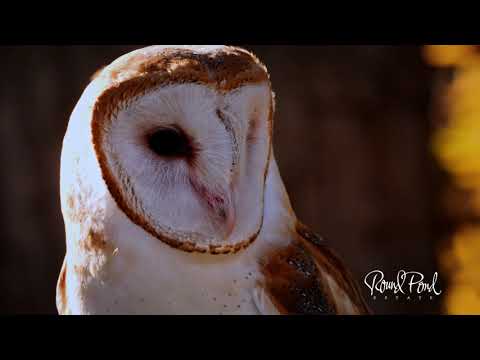
Integrated pest management means working with the natural life cycles of our vineyards, olive groves, and gardens rather than against them. We have nesting sites for predatory owls, hawks, and swallows throughout the property, and have preserved the natural riparian habitats across the estate.
Our extensive gardens and beneficial blooms attract valuable insects and support our beehives, which help pollinate the local flora. Our culinary gardens diversify our agricultural land use and are planted in accordance with the seasons, ensuring our culinary team always has access to the most local, fresh ingredients.

Water Conservation
We’ve introduced more efficient equipment throughout the winemaking process — including automated pumpover machines, larger presses, and a larger destemmer — reducing the need for repeated equipment washing and allowing us to consolidate our crush and press days.
Our BioFilter wastewater treatment system uses earthworms to purify winery wastewater, allowing us to reuse 100% of it as landscape irrigation.

Packaging
Beginning with our 2021 vintage, we transitioned all red wines to lighter weight glass — a 25% reduction in bottle weight that eliminates 65 tons of waste. The new glass is sourced from North America, significantly reducing its carbon footprint from the outset.
We’ve also eliminated all styrofoam from our shipping materials, replacing it with sustainable, recyclable alternatives that still ensure your wines arrive safely.
Clean Energy
We’re actively reducing our energy footprint across the estate and working toward sourcing all of our energy from clean, renewable sources.
We’ve upgraded lighting throughout the winery and administrative offices to LED, reducing our kilowatt-hours by 14% — and we’re continuing to identify further reductions across the property.
We’re currently evaluating the energy usage of our barrel room with a goal to enroll in the Deep Green Program, which would enable us to source all estate energy from clean, renewable sources.